
Blind Boxes, Mental Health, and Problem Gambling
Blind boxes have become popular in recent years, but there is considerable overlap between blind boxing and gambling. While they are advertised as safe entertainment that anyone can enjoy, they can bring significant financial and emotional harms.
What is a blind box?
A blind box is a package that customers purchase without knowing its contents.
The odds of acquiring certain items vary, so there is an incentive to purchase more than one box in the hope of winning a rare item.
What are examples of blind box products?
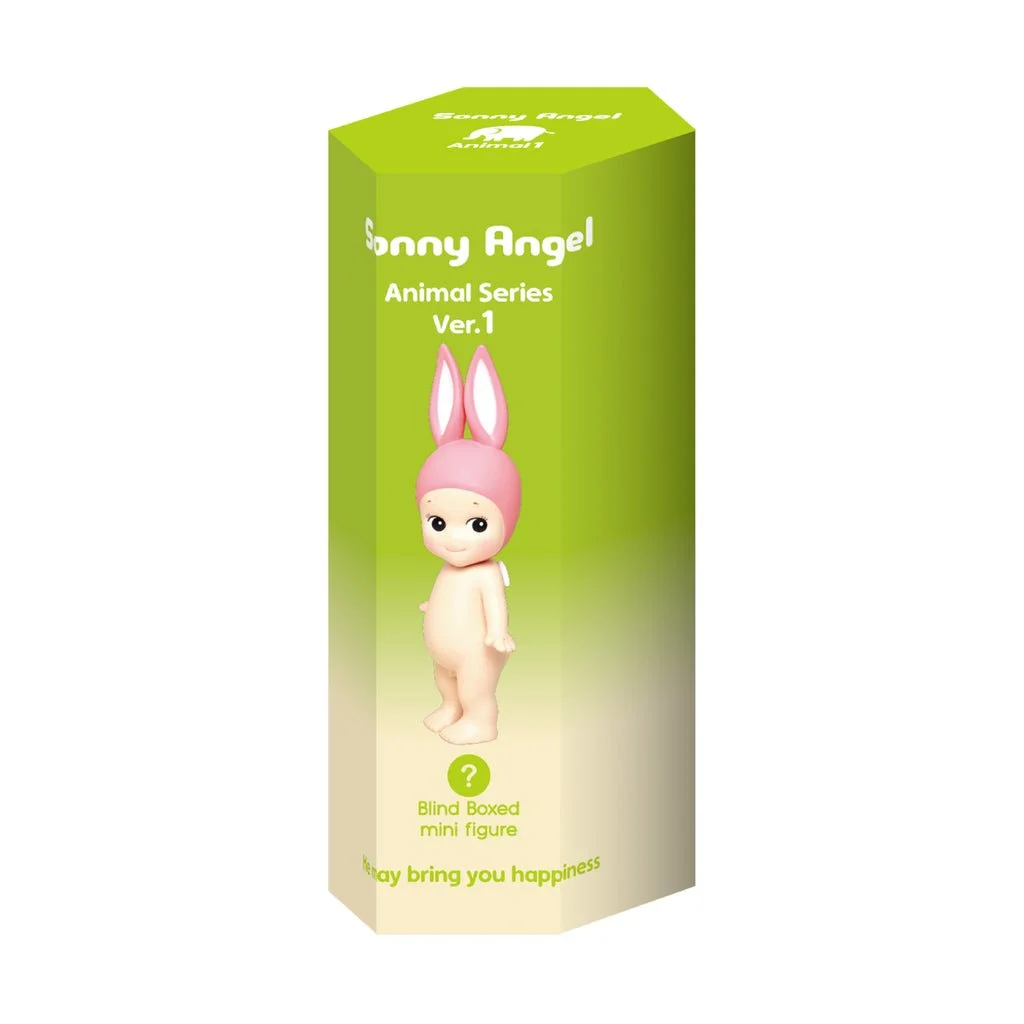
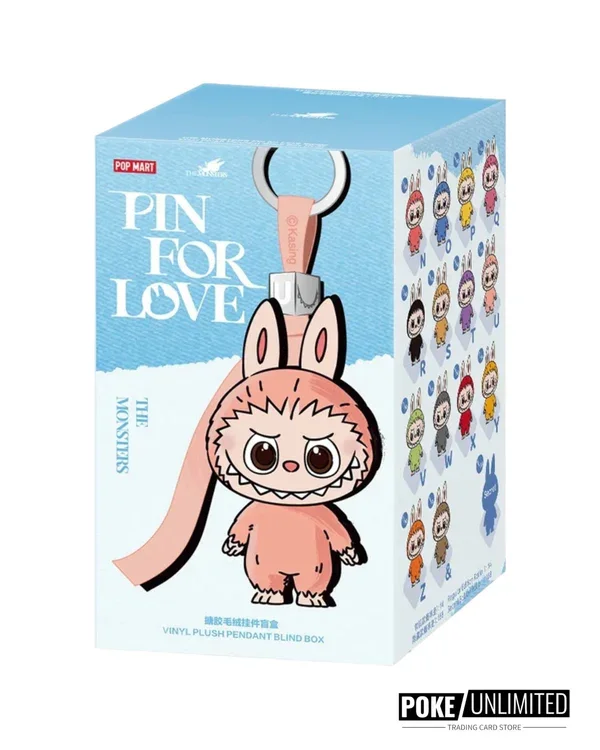
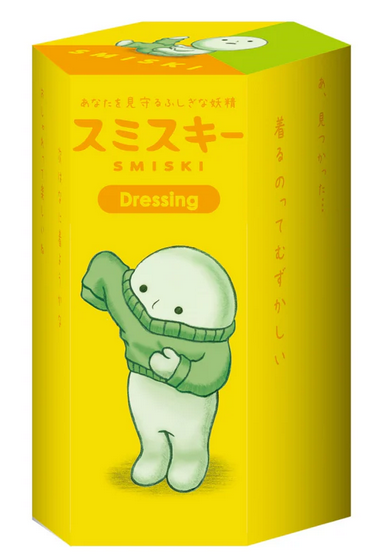
There are many popular blind boxes. Some examples include Sonny Angels, Labubus, and Smiskis.
How does the gambler’s fallacy affect blind box purchases?
The gambler’s fallacy is the belief that past results can predict future random outcomes.
For example, you might believe that because your past blind boxes had common items, you are due for a rare item. This belief can encourage more purchases. The truth is that the odds for opening a rare item never change. No matter how many common items you open, your odds of opening a rare item will never increase.
What mental health conditions are associated with blind boxing?
Blind boxing has the potential to lead to the following mental health conditions:
Obsessive-compulsive disorder
Gambling disorder
Depression
Anxiety
Suicide risk
Source: Selassie, Y., Lee, M., & Noureddine, C. (2026). Clinical implications of the rise in popularity of blind boxes. Psychiatric News, 61, 2. https://doi.org/10.1176/appi.pn.2026.02.2.37
Who is at risk?
While anyone can develop a problem with blind boxes, teens and young adults in particular are at risk because their brains are still developing. The prefrontal cortex is still building impulse control and executive planning skills.
Help is available.
Because blind boxing is closely connected with gambling, many of the resources on this website can also be of help. You can find answers to frequently asked questions, certified problem gambling counselors, and recovery tools.
We also recommend the website Collectors MD.