
Gamblification
As the lines between gambling and other activities become blurred, it’s becoming increasingly common to find gambling in entertainment and consumer spaces, including sports, investing, video gaming, and shopping.
Gamblification refers to the way that gambling is becoming more common and more normalized across many parts of life.
Increased Reach of Gambling
Many businesses have begun to use features of gambling to increase consumer excitement and engagement with a product or activity.
The human brain likes uncertainty; it evolved to look for patterns amidst uncertainty as a way to ensure survival. When rewards are intermittent and unpredictable, as in gambling, it learns to value short-term rewards and to chase quick bursts of pleasure.
Examples:
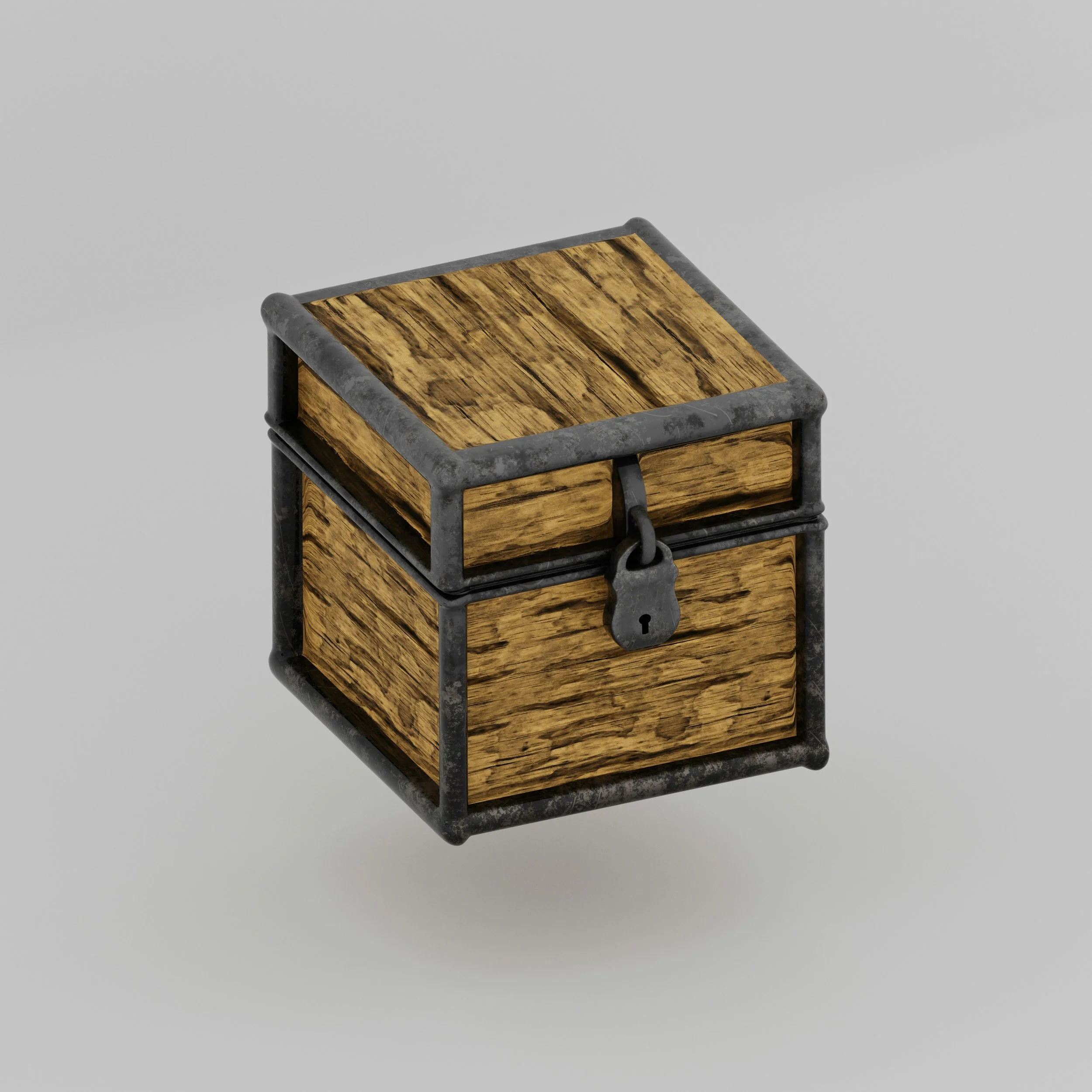
Loot boxes in video games, which offer uncertain rewards
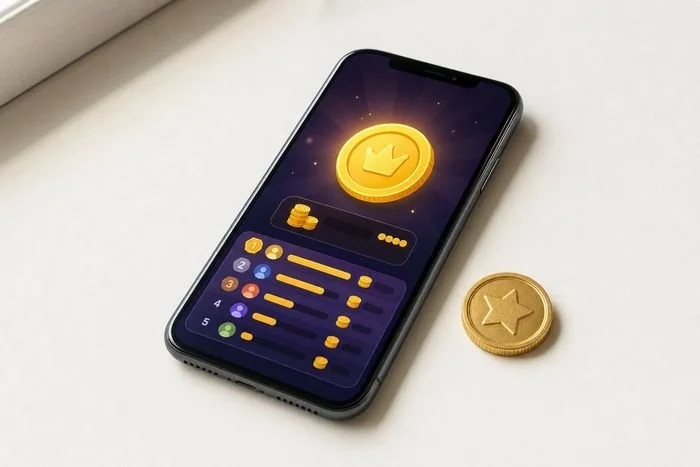
Digital scratch cards or lotteries on commercial websites
Social casinos that use virtual money
Normalization
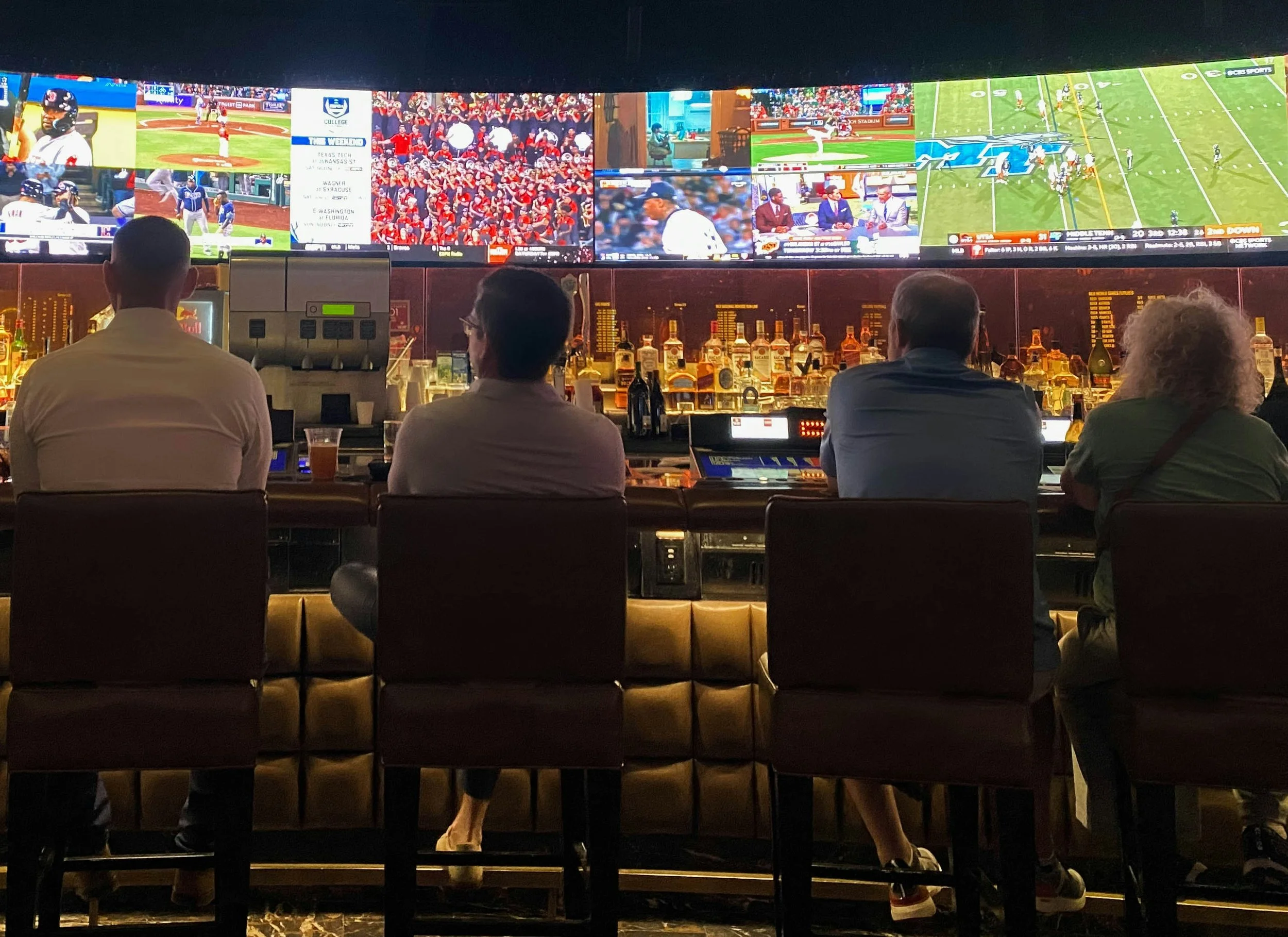
Gambling becomes normalized when it is linked with other parts of life, like sports or newscasts. When gambling feels like a normal part of life, it can begin to look like a safe and harmless activity.
Examples:
Sports betting odds and lines in game commentary
Prediction market odds in news commentary
The Risk of Gambling and Warning Signs
Gamblification and blurred lines can make it difficult to notice when gambling is actually occurring. Whether gambling takes place in a casino, in a video game, on social media, in a finance app, or at a sports game, it’s still gambling.
Gambling has the potential to harm your finances, mental health, and relationships. That’s why it’s important to know the warning signs of a problem and to seek help if things get out of control. There are the 9 signs of a gambling problem, but if you are experiencing 4 or more, you should reach out for help and support:
preoccupation with reliving past gambling experiences, handicapping, or planning the next venture, or thinking of ways to get money with which to gambling
tolerance: needing to gamble with increasing amounts of money in order to achieve the desired excitement
repeated attempts to quit: repeated unsuccessful efforts to control, cut back, or stop gambling
withdrawal: restlessness or irritability when attempting to cut down or stop gambling
escape: gambling as a way of escaping from problems or of relieving feelings of helplessness, guilt, anxiety, or depression
chasing losses: returning another day to get even after losing money gambling
lying to family members, therapists, or to others to conceal the extent of involvement with gambling
jeopardizing or losing a significant relationship, job, or education or career opportunity because of gambling
bailouts: relying on others to provide money to relieve a desperate financial situation caused by gambling
Resources
If you are experiencing harms from gambling, there are many resources available.
Evive is for anyone who wants to change their relationship to gambling, whether that’s cutting back or quitting.
Oklahoma offers free counseling for gambling disorder at state certified centers.
The statewide self-exclusion program is a way to ban yourself from casinos across the state.
Additional tools and support are also available on our website.